
 Japanese
 English
 Chinese
 Vietnamese
Is it acceptable to wear mourning clothes or traditional clothing from one's home country to a funeral in Saitama Shintoshin? Points to consider when consulting in advance.
When saying goodbye to a loved one, many people wonder whether it's appropriate to wear the mourning clothes or traditional attire they would wear in their home country. While they want to respect the deceased's personality and family background, they may also worry about whether it would be disrespectful at a funeral held in Japan, or how to explain it to other attendees.
There are facilities and crematoriums in and around Saitama Shintoshin that are easily accessible from Omiya Ward, Chuo Ward, and Urawa Ward in Saitama City. However, dress code considerations, what can be done at the venue, and necessary preparations vary depending on the location and content of the ceremony. It is important not to assume that wearing ethnic clothing is inherently problematic, but rather to clarify the family's wishes and consult with the venue or funeral home as early as possible.
When choosing attire, consider both "a respectful attitude towards the deceased" and "the circumstances of the day."
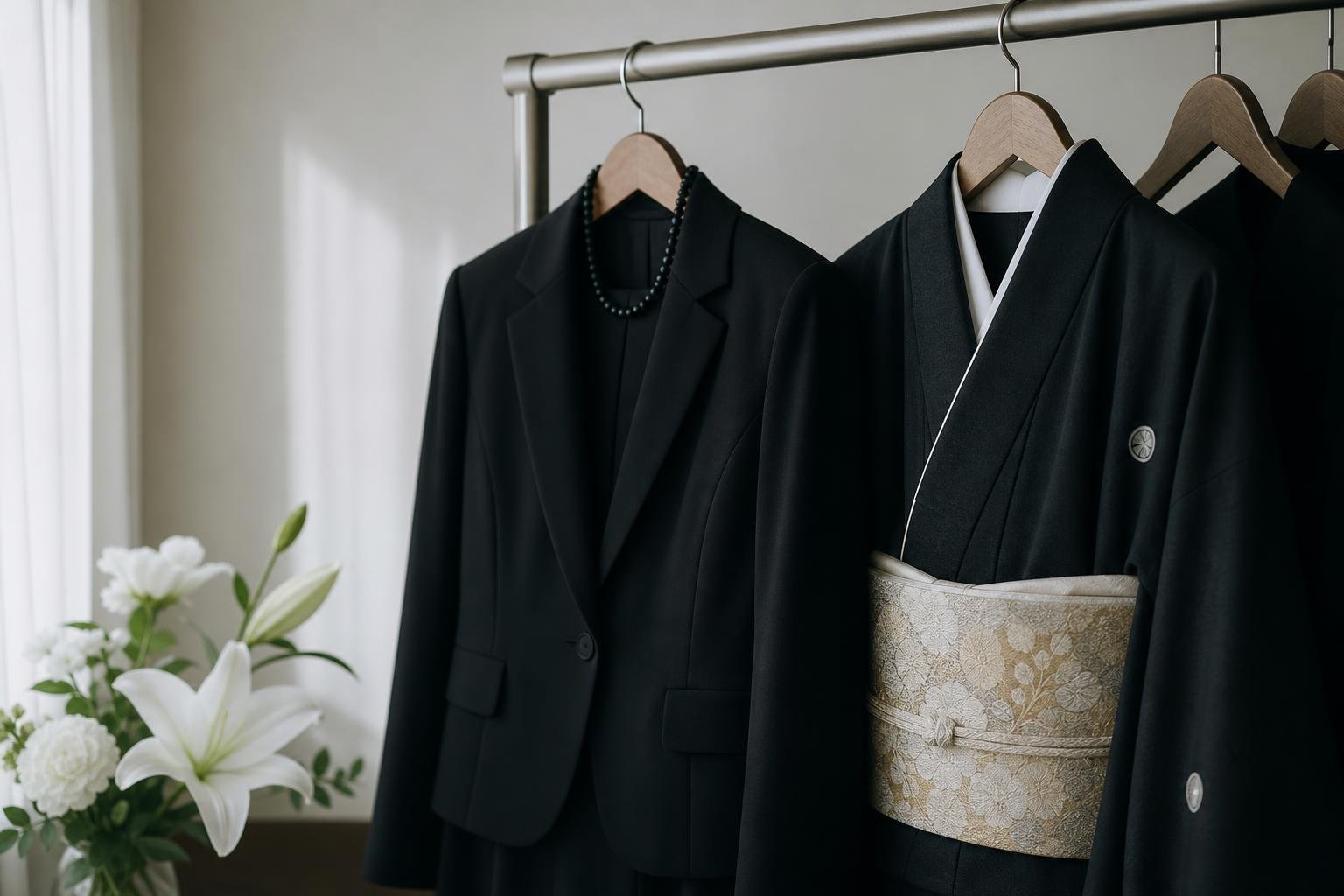
In Japan, it is common to wear black-based attire when attending a funeral, but the meaning behind the color, style, and accessories of mourning clothes varies greatly depending on the country, region, and culture. Sometimes white clothing expresses condolences, or you may want to choose traditional clothing in accordance with the customs of the deceased's hometown. Choosing attire that feels natural and respectful to your family allows you to carefully convey your feelings as you prepare.
However, the permissibility of attire and any considerations required will vary depending on the venue's rules, the format of the ceremony, the progress of the proceedings if religious figures are involved, and the composition of the attendees. Long garments, hats or face coverings, metal ornaments, and strongly scented products may require confirmation regarding safety during movement, the actions of offering incense and flowers, and their relationship to the venue's facilities. If you are unsure about an item, please provide not only a photo or name, but also the material, how it will be put on and taken off, and the context in which it will be used on the day to facilitate consultation.
The first thing we need to decide is who will wear it and when.
The desire to "wear traditional clothing" may seem simple, but its meaning can vary. Whether it's for the deceased, for family members only, or for attendees to be invited, the people to confirm details and the order of preparations will differ. In a family funeral, the number of attendees is limited, making it easier to share the family's wishes. On the other hand, if relatives and friends come from multiple cultural backgrounds, providing guidance on attire early on can reduce confusion on the day of the funeral.
- What kind of clothing would you like the deceased to wear, what materials would you like them to wear, and what are your plans for bringing them?
- Scenes where bereaved family members wear traditional clothing, such as during the wake, funeral/memorial service, and cremation.
- Should general attendees also be informed about wearing traditional clothing or specific colors?
- How to view the situation when someone who chooses Japanese-style black mourning attire and someone who chooses attire from their home country are attending the same event.
- Accessories, head coverings, footwear, etc., may require special consideration.
When sending out invitations, you can clearly indicate the range of attire the family prefers, such as "Please come in casual attire" or "Attire in keeping with the deceased's culture is welcome." However, it's best to confirm with relevant parties before sending out invitations, rather than making assumptions about religious customs or venue policies. Even if you want to allow guests to wear whatever they like, it's a good idea to add a note that you are not requiring any specific attire so that attendees don't feel confused.
The venue and the crematorium have different roles, so we will check them separately.
Hikari Kaikan in Saitama City is a funeral facility located in Honcho Higashi, Chuo Ward, Saitama City. Even if you consider holding the ceremony here, you will be directed to use either Urawa Crematorium or Omiya Seien for cremation. Therefore, you need to consider the location of the ceremony and the location of the cremation separately. Please check the eligibility requirements, availability, and specific usage conditions for each facility.
Regarding attire, it's important not to treat it the same way it will be worn at the ceremony venue as it will be handled during travel and cremation. We will discuss this in light of the flow of the day, including the route from the waiting room to the ceremony venue, movement on stairs and outdoors, and how to spend time while waiting. If you are considering using Urawa Crematorium in Urawa Ward, Saitama City, or Omiya Seien, which is close to Omiya Ward, Saitama City, it will be helpful to find out about the reservation status and usage requirements in advance so that you can adjust your clothing and travel preparations more easily.
Please include any other requests besides clothing on a single memo.
Consulting about traditional attire can also be an opportunity to re-evaluate what you want to prioritize in the funeral as a whole. For example, how to handle the deceased's photograph, the time for prayer, the words to be read, the music, the meals, and how to contact relatives overseas can all be related to cultural background, just like clothing. It may not be possible to fulfill all your wishes, but prioritizing your preferences will make it easier to consider what needs to be confirmed and what alternatives to consider.
- Narrow down the things you absolutely want to cherish to about three.
- I'd like to incorporate these features if possible, and I can omit them if they're difficult to implement.
- For costumes and items brought in, please include photos, names, and the occasions in which they will be used.
- Write down the things you want to confirm with religious figures or related parties as questions.
- Share within the family the person who will make the final decision, including relatives overseas.
Regarding the deceased's clothing in particular, it may be necessary to confirm details such as the method of placement and burial, the materials used, and the timing of bringing the clothing. Cremation procedures also require the discretion of the receiving facility, depending on the clothing and burial items. Instead of rushing preparations based on the assumption that "this is how it's done in my home country, so it should be possible," confirming details beforehand will lead to a more peaceful farewell for both the deceased and the family.
During the initial consultation, provide a brief and specific explanation of the culture.
Don't worry if you can't fully explain technical terms in Japanese during the consultation. It's enough to simply convey the meaning and your wishes, such as, "This attire is worn by the family to show respect for the deceased," or "This color symbolizes mourning." If possible, prepare photos of the attire, details about the color and material, the number of people who will be wearing it, and your preferred time slot.
It's not just about whether or not you can wear it. It's important to ask about specific situations, such as whether it will interfere with travel on the day, whether there will be a place to change, and whether it will fit in with the proceedings of the ceremony.
If you are unsure about communicating in Japanese, you can write down your wishes in advance with your family or a trusted supporter. Seikatsu Funeral Service Center requires prior consultation regarding the feasibility and fees for individual interpretation, transportation, placement, and religious ceremonies, after hearing about your situation. Do not assume that services will be provided without confirmation, but instead communicate what is important to you and confirm the feasibility and necessary preparations for each item.
When you're unsure, it's reassuring to talk about the differences without hiding them.
You don't necessarily have to choose between Japanese customs and your home country's customs. It's also possible for relatives to attend with some wearing black and others wearing traditional attire, provided the family agrees and confirmation is made with the venue and other relevant parties. What's important is not just conforming to those around you, but expressing in words how you want to remember the deceased and how you, as a family, want to say goodbye.
When planning a funeral or family funeral in Saitama Shintoshin, try to organize the venue, cremation schedule, attire, and guest announcements as part of the overall process, rather than treating them as separate issues. Early consultation will allow you to confirm more details, making it easier to focus on remembering the deceased on the day itself rather than worrying about what to wear.
 Consult by Email
 Consultation /
  A Gentle Farewell